Research

Filter by subject

Working Papers and Forthcoming

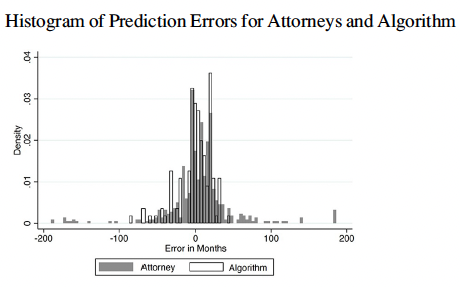
Prose and Cons: Evaluating the Legality of Police Stops with Large Language Models preview

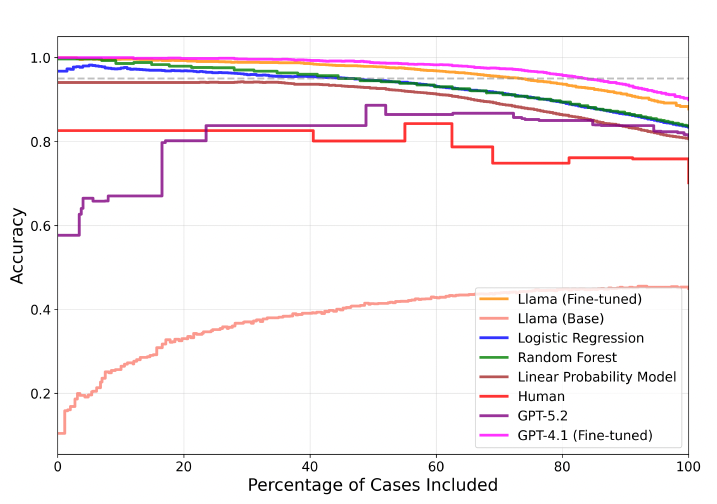
Prose and Cons: Evaluating the Legality of Police Stops with Large Language Models

David S. Abrams and Jonathan H. Choi · Working paper (2026)

This paper shows that large language models can accurately assess the legality of police stops, enabling scalable monitoring of police conduct and large-scale social science analysis of stop practices.
SSRN
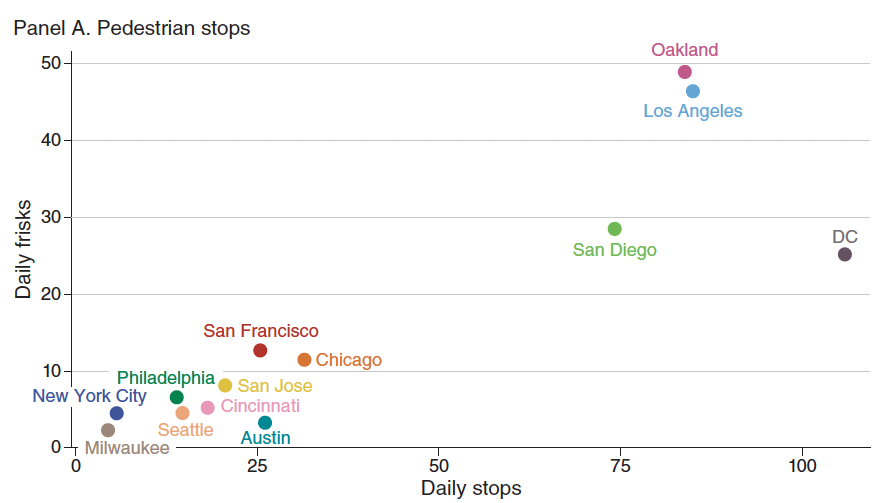
Stop-and-Frisk Policing in U.S. Cities: Patterns and Productivity preview

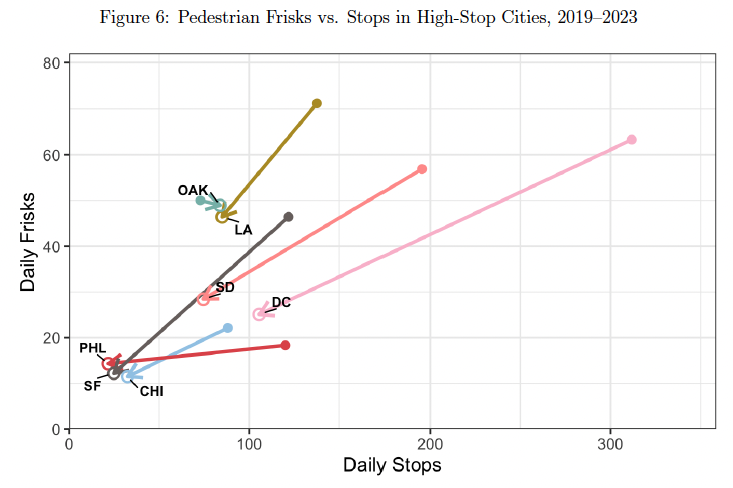
Stop-and-Frisk Policing in U.S. Cities: Patterns and Productivity

David S. Abrams and Priyanka Goonetilleke · U of Penn, Inst for Law & Econ Research Paper No. 26-01 (2026)

Aggregating over 8 million pedestrian and vehicle stops from 16 U.S. cities, this paper documents enormous cross-city variation in stop-and-frisk practices, low and uneven contraband hit rates, and persistent racial disparities, pointing to large potential gains from shared standards and national data collection.

SSRN
Do Cops Know Who to Stop? Assessing Optimizing Models of Police Behavior with a Natural Experiment preview

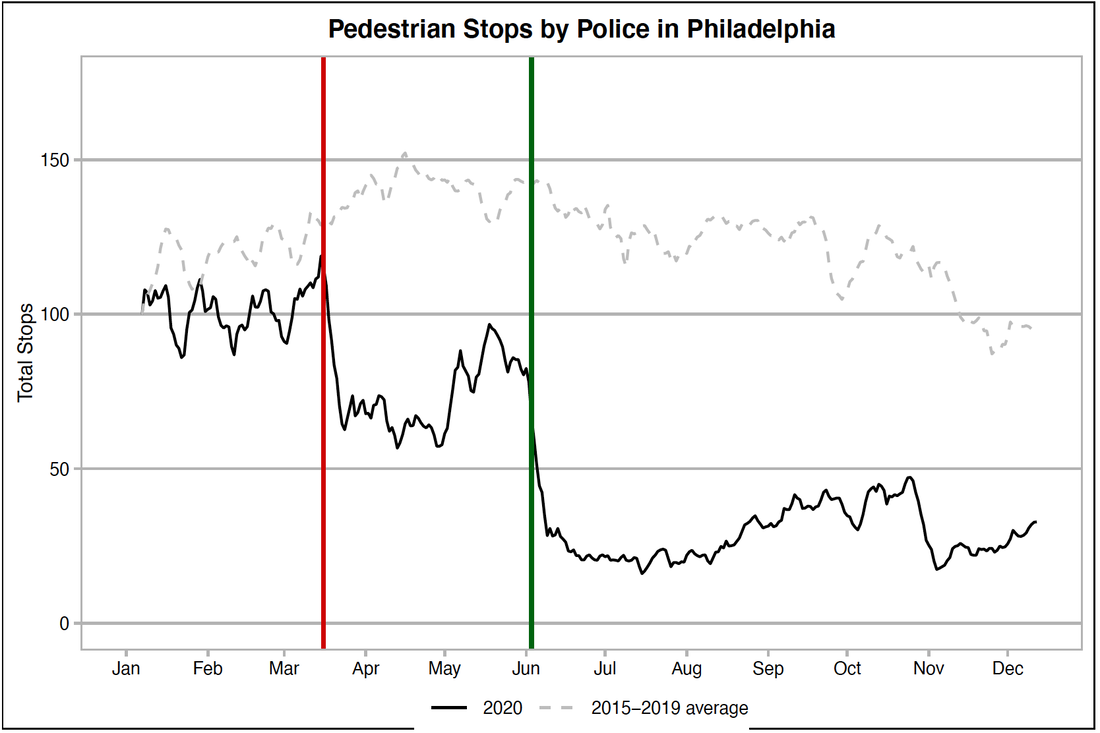
Do Cops Know Who to Stop? Assessing Optimizing Models of Police Behavior with a Natural Experiment

David S. Abrams, Hanming Fang, Priyanka Goonetilleke · NBER Working Paper No. w31594 (2023)

Exploiting the COVID-19 onset and the 2020 protests as natural experiments, the paper finds that contraband hit rates from stops and frisks rose as stop volumes fell, providing empirical support for optimizing models of police behavior.

SSRN
Patent Value and Citations: Creative Destruction or Strategic Disruption? preview

Patent Value and Citations: Creative Destruction or Strategic Disruption?

David S. Abrams, Ufuk Akcigit, Jillian Grennan · NBER Working Paper No. w19647 (2025)

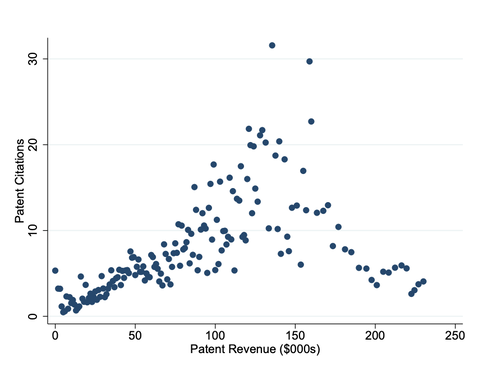
Using novel revenue data on patents held by non-practicing entities, this paper documents an inverted-U relationship between citations and patent value and develops a model in which productive and strategic patenting jointly drive observed citation patterns.

SSRN
Drug Patent Citations and Value preview

Drug Patent Citations and Value

David S. Abrams and Bhaven N. Sampat · Working paper (2025)

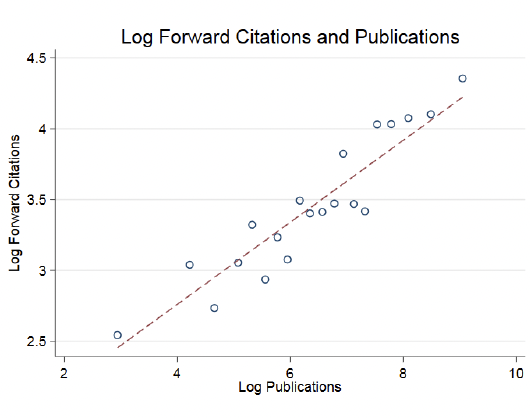
Linking pharmaceutical patents to multiple measures of drug value, this paper finds that patent citations correlate most strongly with technological impact, more weakly with private value, and unevenly with social value—and that examiner-added citations tend to be less informative than applicant citations.

The Patent Troll: Benign Middleman or Stick-Up Artist? preview

The Patent Troll: Benign Middleman or Stick-Up Artist?

David S. Abrams, Ufuk Akcigit, Gokhan Oz, Jeremy G. Pearce · NBER Working Paper No. w25713 (2019)

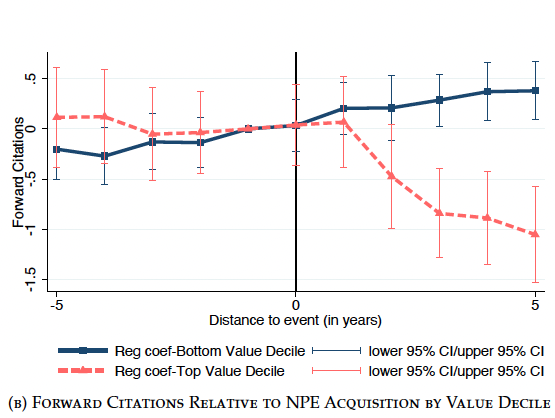
Combining new theory with proprietary NPE patent and financial data, this paper shows that non-practicing entities tend to acquire patents from small, litigation-prone firms; downstream innovation falls in fields where NPEs acquire patents; and the net innovation effect of NPEs depends on the share of infringements coming from non-innovating producers.

NBERPDF

Publications

A (Plea) Offer You Can Refuse preview

A (Plea) Offer You Can Refuse

David S. Abrams, Viet Nguyen, Aurelie Ouss, Julia Reinhold · Journal of Legal Studies (2026) · Published

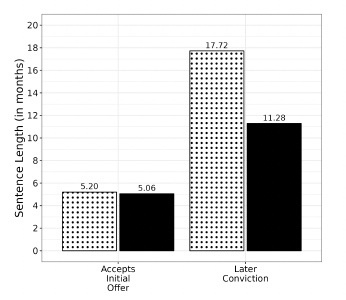
Using data on initial plea offers in Philadelphia felony cases, this paper shows that rejected offers are often longer than eventual sentences, even after trial convictions. The findings challenge standard empirical approaches to measuring the trial penalty and show that relying on accepted pleas as counterfactuals can misstate both the magnitude and direction of the trial penalty.

Stop and Frisk Around the Country preview

Stop and Frisk Around the Country

David S. Abrams and Priyanka Goonetilleke · American Economic Review: Papers and Proceedings (2026) · Published

A comparative look at stop-and-frisk practices across jurisdictions. The paper brings together evidence from multiple places to show how frisk rates, hit rates, and enforcement patterns vary tremendously across local policing environments.

Barriers to Adopting Predictive Algorithms: A Criminal Justice Field Experiment preview

Barriers to Adopting Predictive Algorithms: A Criminal Justice Field Experiment

David S. Abrams, Brian Collopy, Aurelie Ouss, Megan Stevenson, Colin D. Sullivan · American Criminal Law Review (2026) · Published

This field experiment examines why criminal justice institutions are often slow to adopt predictive tools. It focuses on the organizational and practical frictions that can keep potentially useful algorithms from moving into routine decision-making.

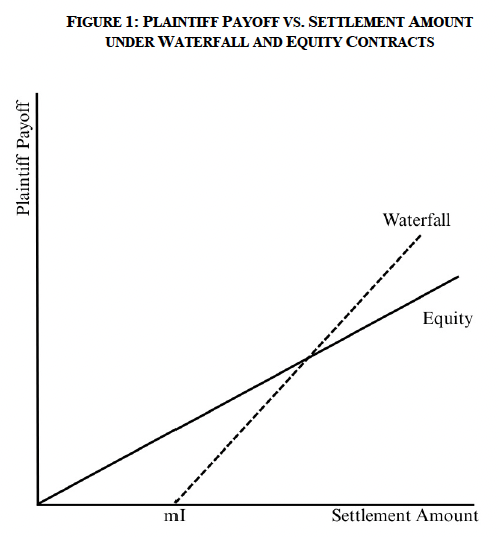
Don't Go Chasing Litigation Funding Waterfalls preview

Don't Go Chasing Litigation Funding Waterfalls

David S. Abrams and Tom Baker · Utah Law Review (2025) · Published

Many litigation funding agreements use “waterfall” payout structures in which funders are repaid first and plaintiffs receive only residual recoveries. This article argues that such arrangements place too much risk on plaintiffs, who are often least able to bear it. Using a simple economic model, the paper explains why more equity-like funding arrangements may better align incentives and improve outcomes for litigants while preserving access to justice.

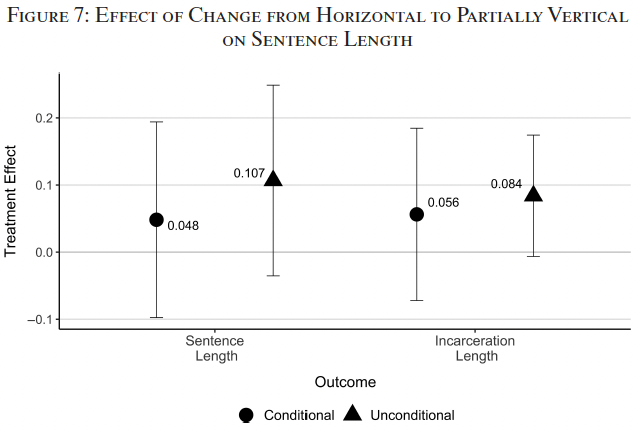
Assembly-Line Public Defense preview

Assembly-Line Public Defense

David S. Abrams and Priyanka Goonetilleke · NYU Law Review (2025) · Published

Using a natural experiment in Philadelphia, this Article examines whether increasing continuity of representation in public defense improves outcomes for criminal defendants. The results show no evidence of improvements in conviction or sentencing outcomes, complicating the conventional preference for vertical representation.

Electoral Sentencing Cycles preview

Electoral Sentencing Cycles

David Abrams, Roberto Galbiati, Emeric Henry, Arnaud Philippe · The Journal of Law, Economics, and Organization (2023) · Published

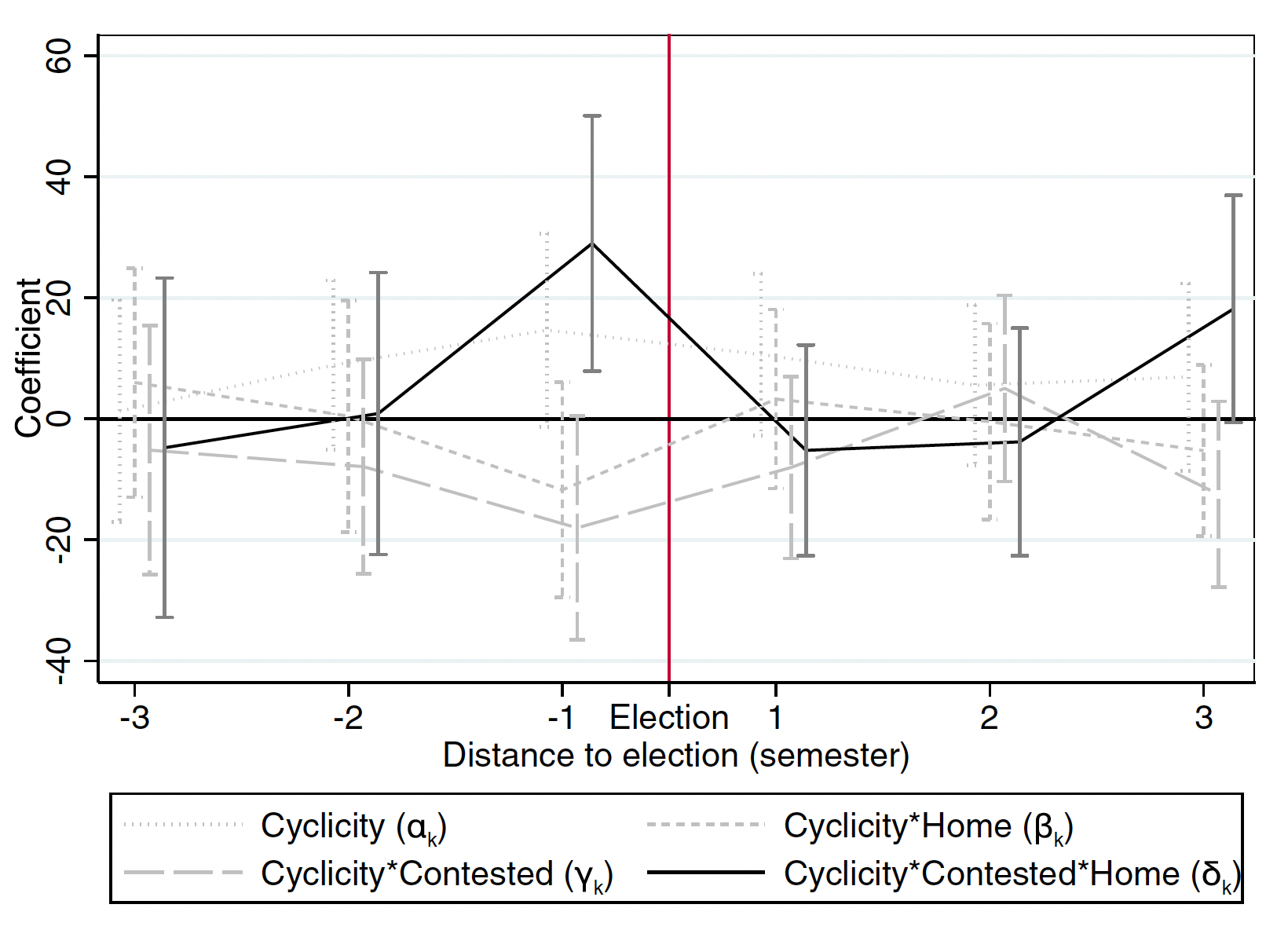
This paper shows that sentencing can become harsher as judicial elections approach. It links electoral incentives to measurable changes in punishment and offers new evidence on how accountability pressures shape judicial behavior.

When in Rome… On Local Norms and Sentencing Decisions preview

When in Rome… On Local Norms and Sentencing Decisions

David Abrams, Roberto Galbiati, Emeric Henry, Arnaud Philippe · Journal of the European Economic Association (2022) · Published

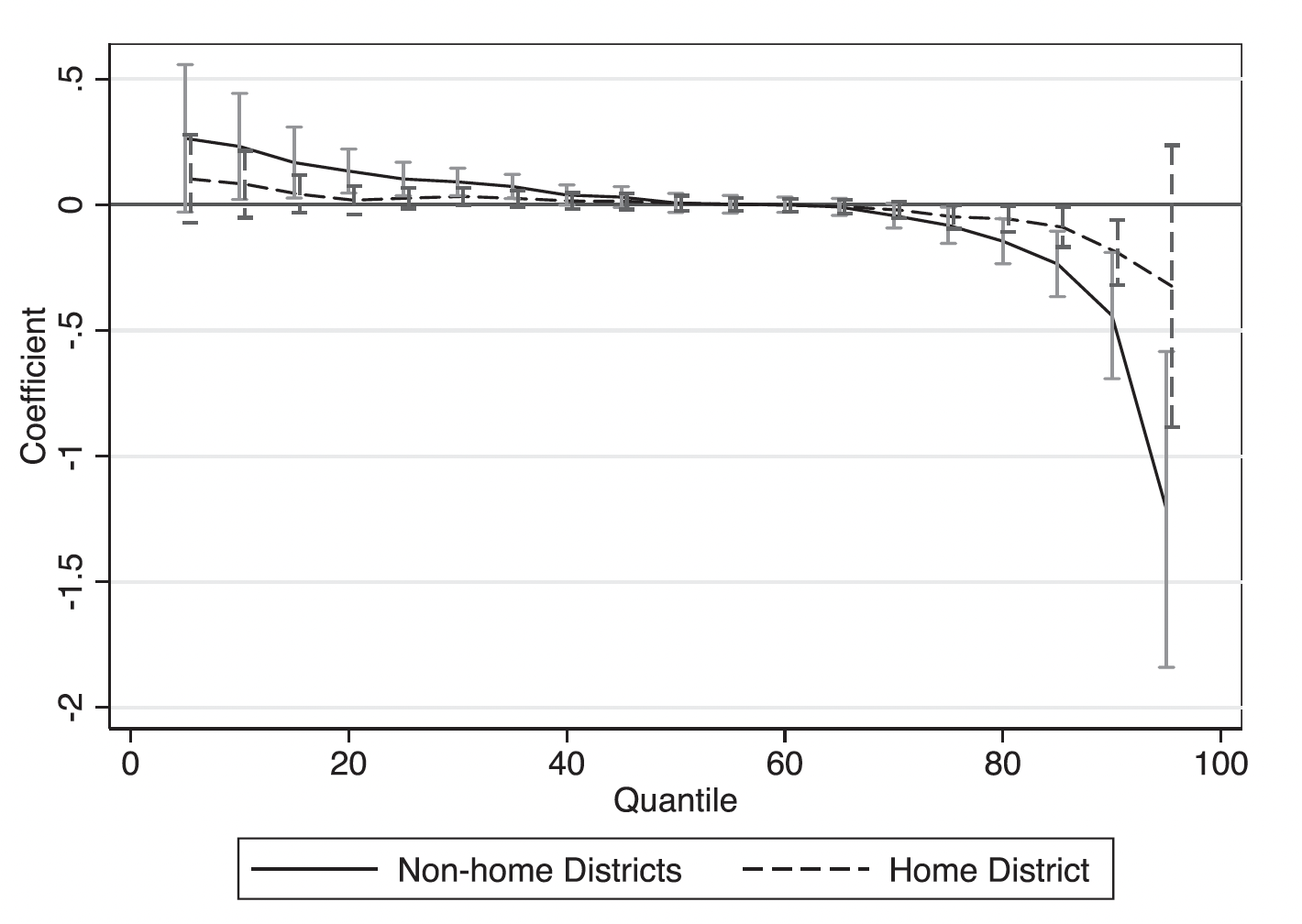
This paper studies how judges adapt after rotating into new places with different sentencing cultures. It shows that local norms matter and that judges respond to those norms in systematic ways.

Police Frisks preview

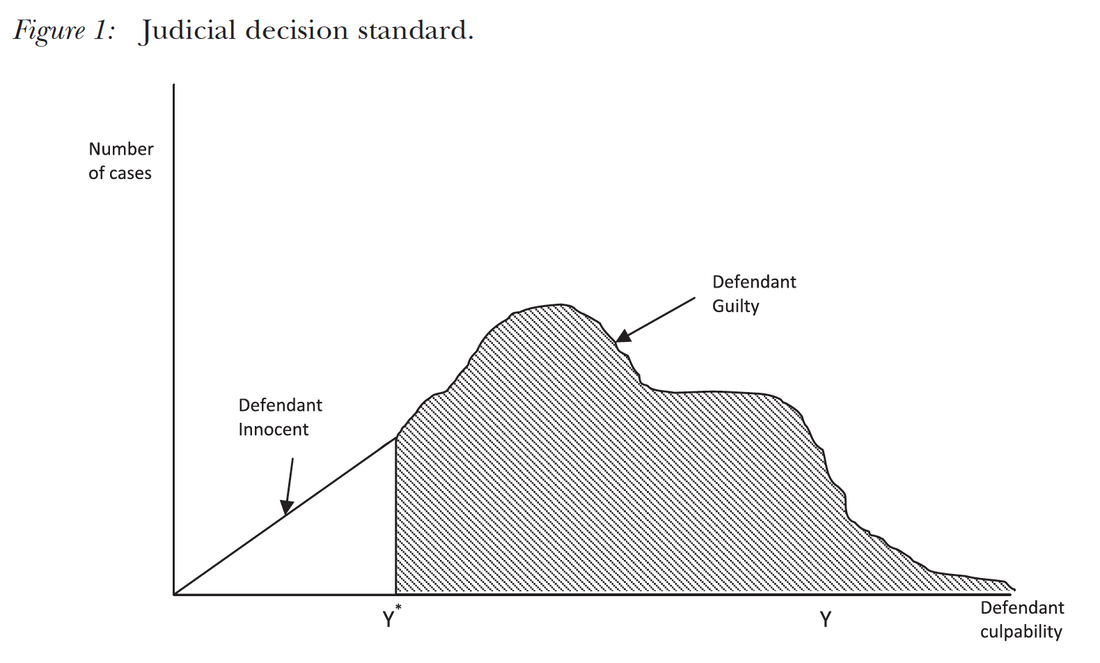
Police Frisks

David S. Abrams, Hanming Fang, Priyanka Goonetilleke · American Economic Review: Papers and Proceedings (2022) · Published

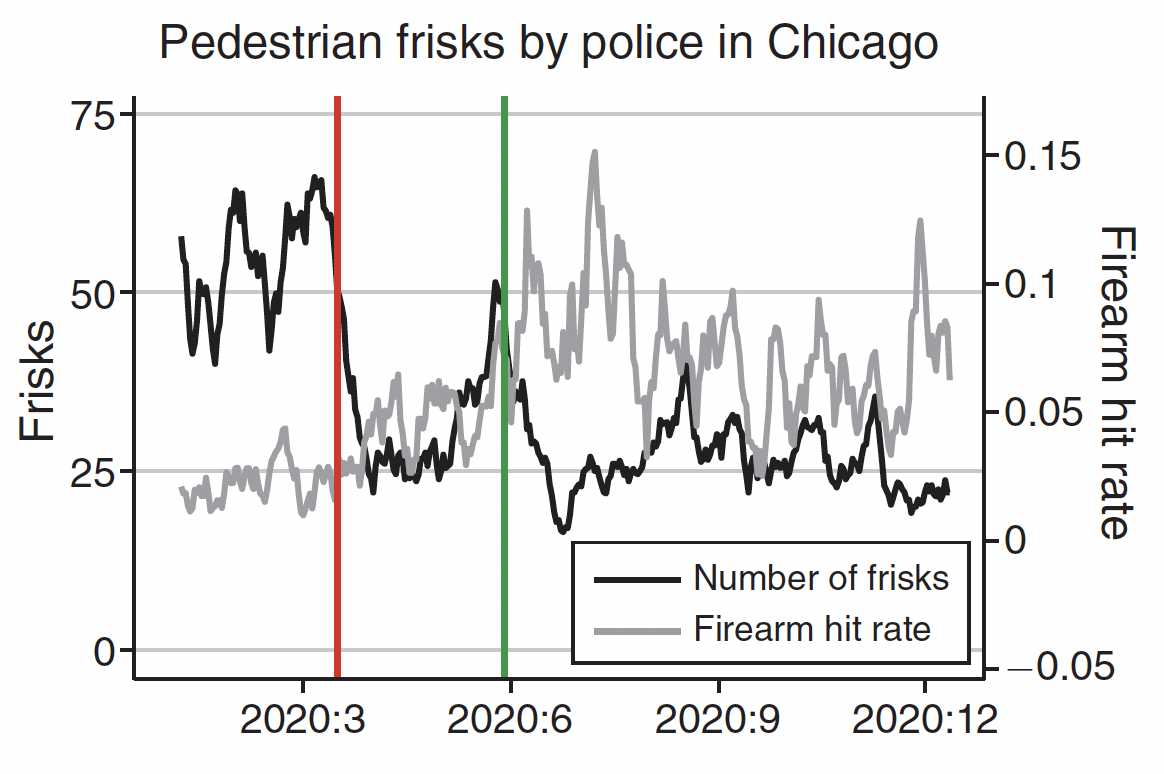
Using the decline in Chicago police frisks after the 2020 George Floyd protests, this paper shows that contraband hit rates rose as frisk rates fell, providing empirical evidence of diminishing marginal returns to pedestrian frisks - a central prediction of most economic models of policing.

COVID and Crime: An Early Empirical Look preview

COVID and Crime: An Early Empirical Look

David S. Abrams · Journal of Public Economics (2021) · Published

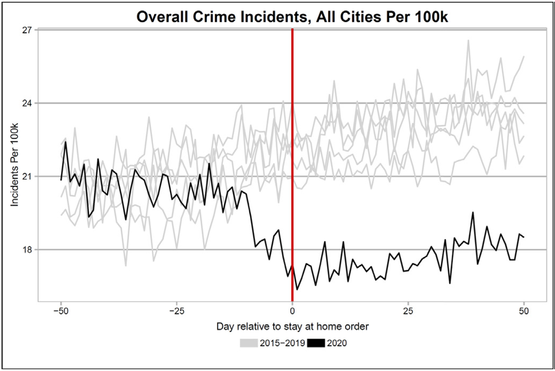
This paper uses police data from 25 large U.S. cities to estimate the immediate effect of the COVID-19 pandemic on crime. It documents sharp declines in many reported offenses and arrests—especially drug offenses, theft, residential burglary, and most violent crimes—while finding no comparable decline in homicides and shootings and increases in some crimes involving less-occupied property.

The Law and Economics of Stop-and-Frisk preview

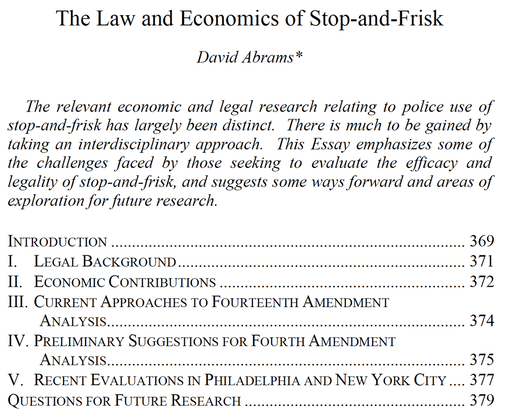
The Law and Economics of Stop-and-Frisk

David S. Abrams · Loyola University Chicago Law Journal (2015) · Published

This Essay connects legal and economic approaches to stop-and-frisk policing, emphasizing the need for empirically grounded analysis of both the practice’s effectiveness and its constitutional limits.

How Do We Decide How Long to Incarcerate? preview

How Do We Decide How Long to Incarcerate?

David S. Abrams · Empirical Legal Analysis: Assessing the Performance of Legal Institutions (2014) · Book chapter

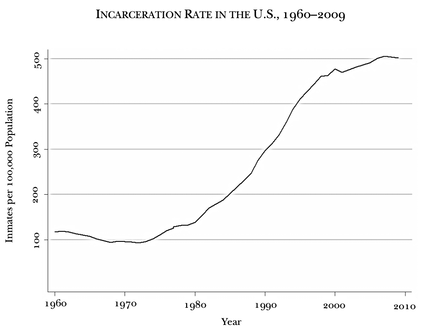
This chapter examines how empirical evidence on general deterrence, specific deterrence, and incapacitation can inform sentencing policy. It argues that incarceration decisions should be evaluated through a cost-benefit framework that accounts for both crime reduction and the social costs of imprisonment.

Book Chapter
The Imprisoner's Dilemma: A Cost-Benefit Approach to Incarceration preview

The Imprisoner's Dilemma: A Cost-Benefit Approach to Incarceration

David S. Abrams · Iowa Law Review (2013) · Published

A cost-benefit framework for thinking about incarceration policy. The article balances deterrence, incapacitation, and social costs to ask how much imprisonment is justified.

Putting the Trial Penalty on Trial preview

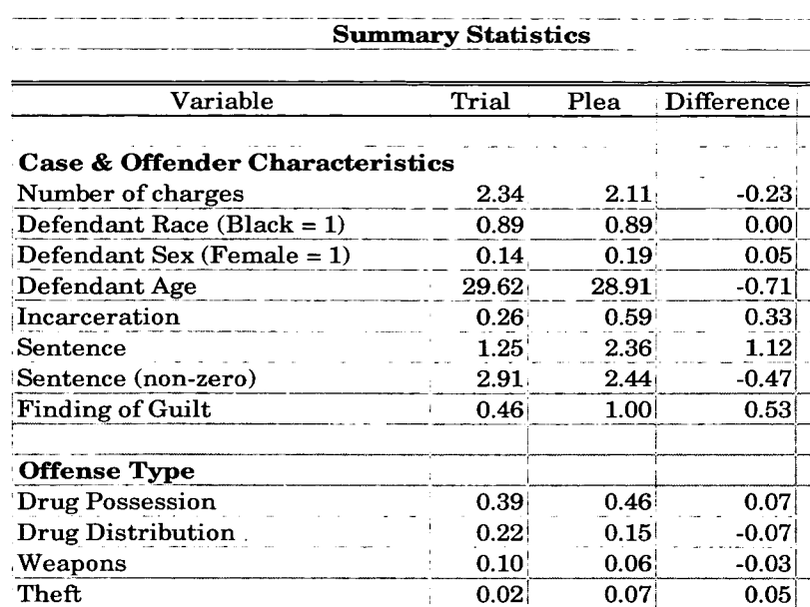
Putting the Trial Penalty on Trial

David S. Abrams · Duquesne Law Review (2013) · Published

This Article argues that much of the perceived trial penalty reflects confusion between conditional and unconditional expected sentences, and presents evidence challenging the conventional account.

Poisoning the Next Apple? The America Invents Act and Individual Inventors preview

Poisoning the Next Apple? The America Invents Act and Individual Inventors

David S. Abrams and R. Polk Wagner · Stanford Law Review (2013) · Published

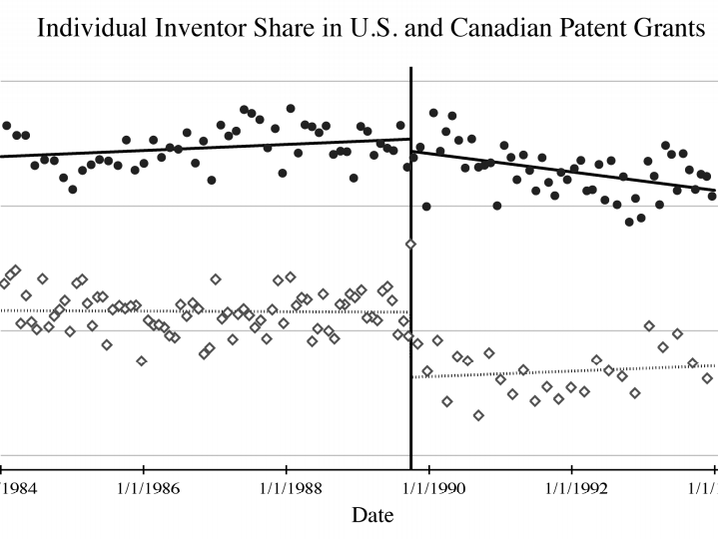
Using the Canadian transition to a first-to-file patent system, this article estimates the likely effects of the America Invents Act on individual inventors. The results indicate that first-to-file rules reduce individual inventors’ share of patenting without measurable improvements in patent quality.

A Market for Justice: A First Empirical Look at Third Party Litigation Funding preview

A Market for Justice: A First Empirical Look at Third Party Litigation Funding

David S. Abrams and Daniel L. Chen · Journal of Business Law (2013) · Published

One of the first empirical studies of the market for third-party litigation funding. It analyzes how this financing channel operates and what its emergence means for access to courts and litigation incentives.

Estimating the Deterrent Effect of Incarceration Using Sentencing Enhancements preview

Estimating the Deterrent Effect of Incarceration Using Sentencing Enhancements

David S. Abrams · American Economic Journal: Applied Economics (2012) · Published

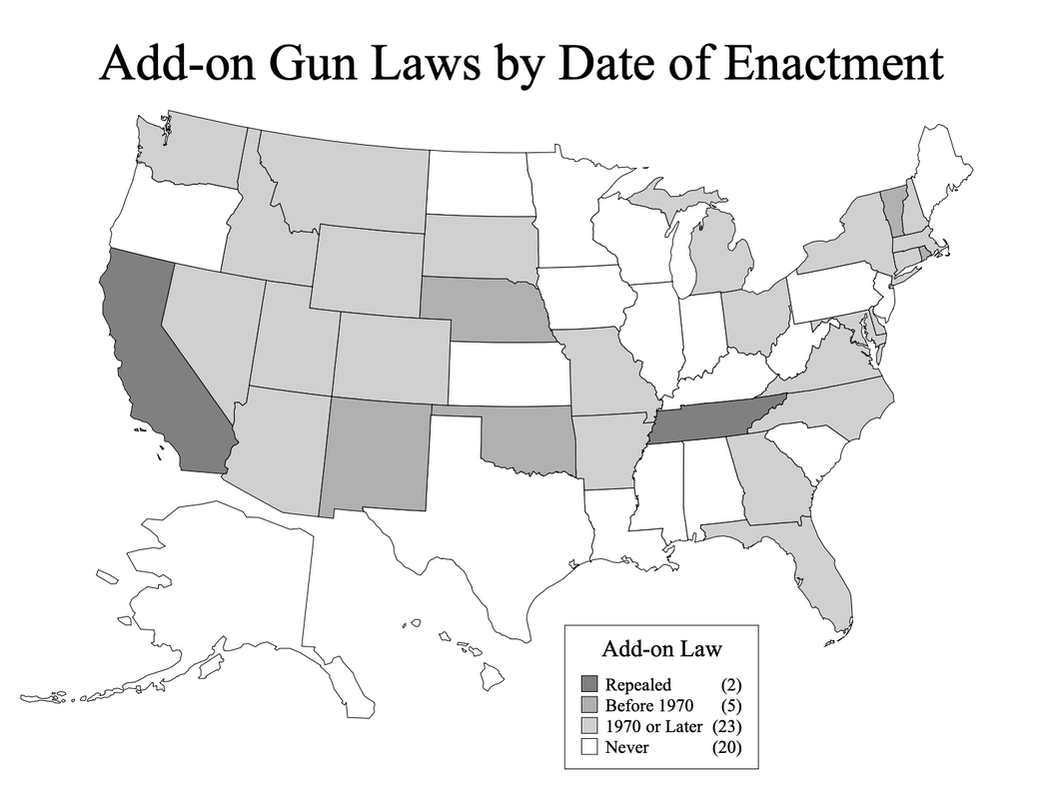
Using state add-on gun laws as natural experiments, this Article separates incapacitation from deterrence and finds evidence longer sentences deter crime.

Do Judges Vary in Their Treatment of Race? preview

Do Judges Vary in Their Treatment of Race?

David S. Abrams, Marianne Bertrand, Sendhil Mullainathan · Journal of Legal Studies (2012) · Published

Using random assignment of felony cases to judges, this Article finds significant variation across judges in racial disparities in incarceration decisions.

Optimal Bail and the Value of Freedom: Evidence from the Philadelphia Bail Experiment preview

Optimal Bail and the Value of Freedom: Evidence from the Philadelphia Bail Experiment

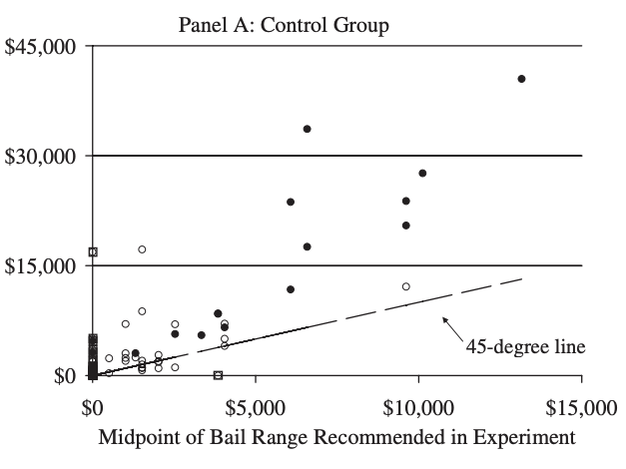
David S. Abrams and Chris Rohlfs · Economic Inquiry (2011) · Published

Using experimental variation in bail, this paper studies how people value pretrial freedom and how bail policy should be designed.

Is Pleading Really a Bargain? preview

Is Pleading Really a Bargain?

David S. Abrams · Journal of Empirical Legal Studies (2011) · Published

This paper reconsiders the standard view that pleading is necessarily beneficial to defendants. It asks whether the observed gap between plea and trial outcomes actually reflects a bargain in any meaningful sense.

Did TRIPS Spur Innovation? An Analysis of Patent Duration and Incentives to Innovate preview

Did TRIPS Spur Innovation? An Analysis of Patent Duration and Incentives to Innovate

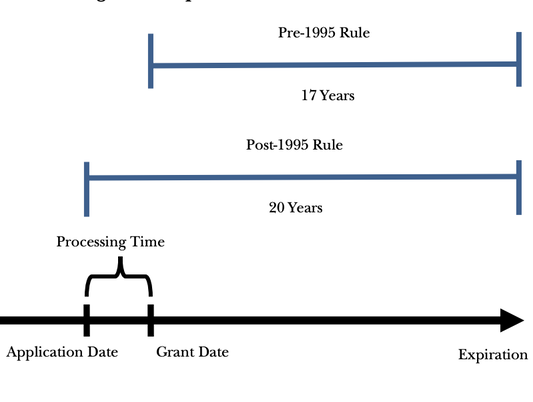
David S. Abrams · University of Pennsylvania Law Review (2009) · Published

This Article uses the TRIPS-induced change in patent duration to estimate whether longer patent terms increase innovation.

The Luck of the Draw: Using Random Case Assignment to Investigate Attorney Ability preview

The Luck of the Draw: Using Random Case Assignment to Investigate Attorney Ability

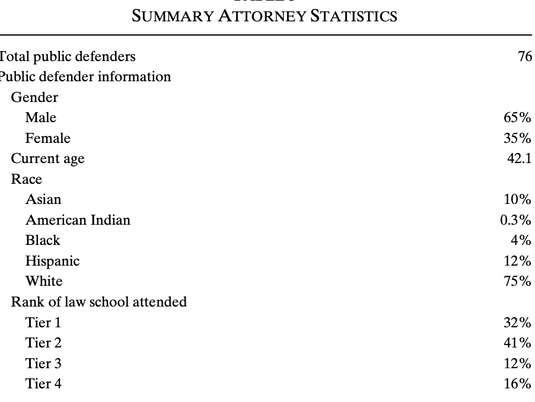
David S. Abrams and Albert H. Yoon · University of Chicago Law Review (2007) · Published

Using random case assignment in a public defender office, this Article finds substantial variation in attorney performance and evidence that experience improves client outcomes.

For a complete list of papers, including drafts and earlier work, see the full SSRN author page.

View SSRN author page →